
Exploring the rich legacy of gambling through the ages
The Origins of Gambling
The history of gambling can be traced back to ancient civilizations, where games of chance were often linked to religious practices and social gatherings. Archaeological findings suggest that the earliest forms of gambling appeared in Mesopotamia around 3000 BC, where dice made from knucklebones were used in various games. Similarly, in ancient China, records indicate that rudimentary games involving betting existed as early as the Shang Dynasty, showcasing that the allure of risk and reward is deeply woven into the fabric of human history. For those curious about current trends, a good place to start is discovering which online pokies is best in australia.
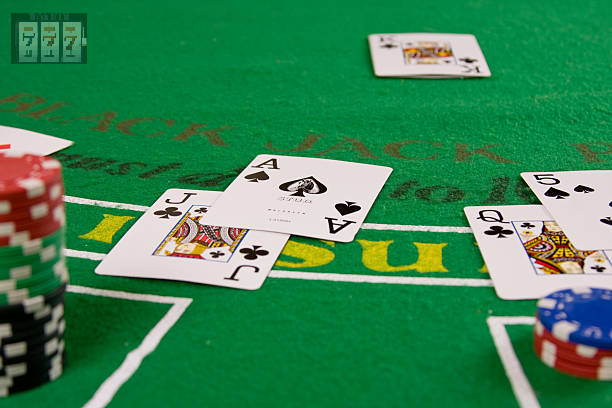
As societies evolved, so did gambling. Ancient Romans indulged in betting on gladiatorial games, a practice that reflected both entertainment and the societal hierarchy of the time. These early forms of gambling laid the groundwork for modern betting practices, illustrating the universal appeal of chance and strategy. Furthermore, the development of gambling was often intertwined with local economies, as it provided both a source of entertainment and a potential means of financial gain for participants.
The emergence of card games in the Middle Ages marked a significant shift in the gambling landscape. Originating in China, these games spread throughout Europe, evolving into various forms and introducing elements of skill into gambling. This transition highlighted the adaptability of gambling as a social activity, moving from simple games of chance to more complex strategies that involved psychological warfare and tactical decision-making, a trend that continues to this day.
The Cultural Impact of Gambling
Throughout history, gambling has played a significant role in shaping cultures and societies. In many civilizations, it served not only as a form of entertainment but also as a means of fostering community and social bonds. Festivals often included gambling activities that drew in crowds, allowing people from various backgrounds to connect over a shared experience. This communal aspect underscores the idea that gambling extends beyond mere chance; it is deeply embedded in human interaction and social fabric.
Moreover, different cultures have embraced unique forms of gambling that reflect their values and traditions. For instance, the elaborate ceremonies surrounding the native American powwow often include games of chance, symbolizing not only competition but also community resilience and identity. In contrast, the rise of casino culture in Las Vegas epitomizes modernity and excess, showcasing how gambling evolves in response to societal changes and economic conditions.
The portrayal of gambling in literature and media has also significantly influenced public perceptions. From Shakespeare’s plays to modern films, gambling has often been depicted as a double-edged sword—an exciting adventure fraught with peril. This duality has led to the emergence of various myths and misconceptions about gambling, shaping societal attitudes and influencing legislation. Understanding these narratives is essential for recognizing the complexities surrounding the gambling phenomenon.
Gambling in Modern Society
In contemporary society, gambling has transformed dramatically due to technological advancements. The advent of the internet has revolutionized how people engage with gambling, giving rise to online casinos and sports betting platforms. This accessibility has democratized gambling, allowing individuals from diverse backgrounds to participate from the comfort of their homes. With the rise of mobile applications, gambling has become even more integrated into daily life, enabling on-the-go betting and instant gratification.
However, this shift has not come without challenges. Increased accessibility has raised concerns about responsible gambling and addiction. Regulatory bodies have been established in various countries to ensure that operators uphold ethical standards and provide tools for players to manage their gambling habits. This growing emphasis on responsible gaming reflects a societal acknowledgment of the potential dangers associated with gambling, prompting discussions about how to balance enjoyment with safety.
The influence of gambling on modern economies cannot be overstated. In regions where gambling is legalized, it often serves as a significant source of revenue through taxes and job creation. Casino resorts contribute to local economies by attracting tourists, which bolsters hospitality sectors and generates additional business opportunities. As states explore legalization and regulation, the economic implications of gambling continue to be a focal point of political and public discourse.
The Myths and Realities of Gambling
Despite the long history of gambling, numerous myths and misconceptions persist regarding its nature and effects. One common myth is that gambling is purely a game of luck, disregarding the critical role of skill and strategy in many games. While games like slots rely heavily on chance, card games and sports betting often require knowledge, analysis, and tactical thinking, suggesting that a player’s choices can significantly influence outcomes.
Another prevalent misconception is that gambling inevitably leads to addiction or financial ruin. While it is true that gambling can lead to harmful behaviors for some individuals, the reality is more nuanced. Many people enjoy gambling as a form of entertainment without suffering negative consequences. Education about responsible gambling practices is essential to dispel these myths and promote a balanced understanding of gambling as a recreational activity rather than a perilous endeavor.
Moreover, societal stigma surrounding gambling can discourage open discussions about its potential benefits. By addressing these myths, it becomes possible to foster a more informed perspective on gambling that recognizes both its entertainment value and the necessity for responsible practices. As the landscape of gambling continues to evolve, challenging these misconceptions will be crucial in promoting a healthy relationship with gambling in modern society.

Connecting with Modern Gambling Resources
As the world of gambling continues to evolve, access to reliable resources becomes essential for both novice and experienced players. Platforms offering comprehensive guides to online gambling have emerged to help individuals navigate their options, offering insights into various games, strategies, and legal considerations. Such resources play a crucial role in enhancing the gaming experience, equipping players with knowledge to make informed decisions.
In addition to game reviews and tips, many online platforms focus on promoting responsible gambling practices. They provide information about support services, self-exclusion tools, and educational content to help players understand their limits. This proactive approach reflects a commitment to player safety and well-being, reinforcing the idea that gambling should be an enjoyable activity rather than a source of distress.
As online gambling continues to gain traction, having access to up-to-date information about legality, payment methods, and gaming options is crucial for players. Resources that offer real-time insights and comprehensive reviews empower individuals to choose platforms that align with their preferences and needs. By engaging with trustworthy guides, players can navigate the complexities of gambling in the digital age while ensuring a responsible and enjoyable experience.
MAY
About the Author